Ecosystems
An ecosystem is a functional unit of nature consisting of living organisms and their physical environment interacting with each other through the flow of energy and cycling matter.
Components of an ecosystem:
- Abiotic components - The nonliving components of the environment such as water, air, light, temperature, nutrients, sunlight, soil
- Biotic components - The living components of the ecosystem which include plants, animals, bacteria and protists etc.
Niche - A niche is the role that a particular organism plays in the ecosystem. This involves how the organism gets its energy, which usually has to do with what an organism eats, and how the organism passes that energy through the ecosystem.
Habitat - The habitat is the physical area where a species lives. Many environmental factors are used to describe a habitat. The average amount of sunlight received each day, the range of annual temperatures, and average yearly rainfall describe a habitat.
Interactions between biotic and abiotic components
- Biotic - biotic interactions
- Biotic - abiotic interactions
- Abiotic - abiotic interactions
Biomes
A biome is a large geographical area which is classified based on the predominant vegetation adapted to that particular environment.
The climate and geography of a region determines what type of biome can exist in that region.
Each biome consists of many ecosystems whose communities have adapted to the small differences in climate, topography and soil conditions within the biome.
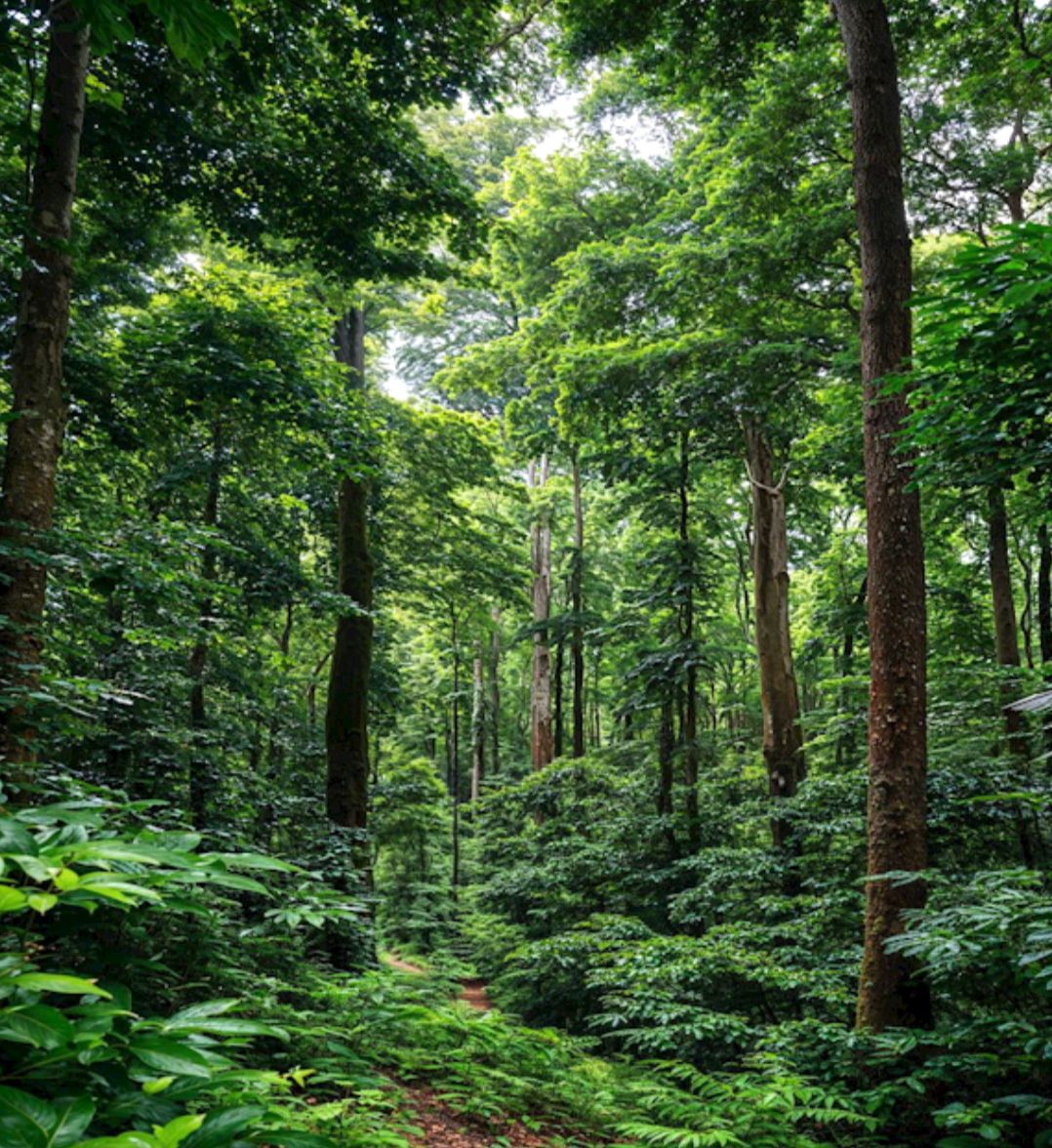
Tropical Rainforests
- This biome is distributed close to the equator.
- The average rainfall is about 2000 - 4000mm.
- A fairly constant rainy season is prominent.
- Have an average rainfall of 25°C - 30°C.
- In tropical rainforests an emergent layer, canopy and sub canopy layers are visible.
- These are followed by an understory layer which consists of shrubs, and large herbaceous plants.
- The forest floor consists of small herbaceous plants, mushrooms,and a thick layer of dried plant litter. Therefore the vegetation is arranged in several vertical layers and stratification is observed.
- Locations - South America,Southeast Asia
Savanna
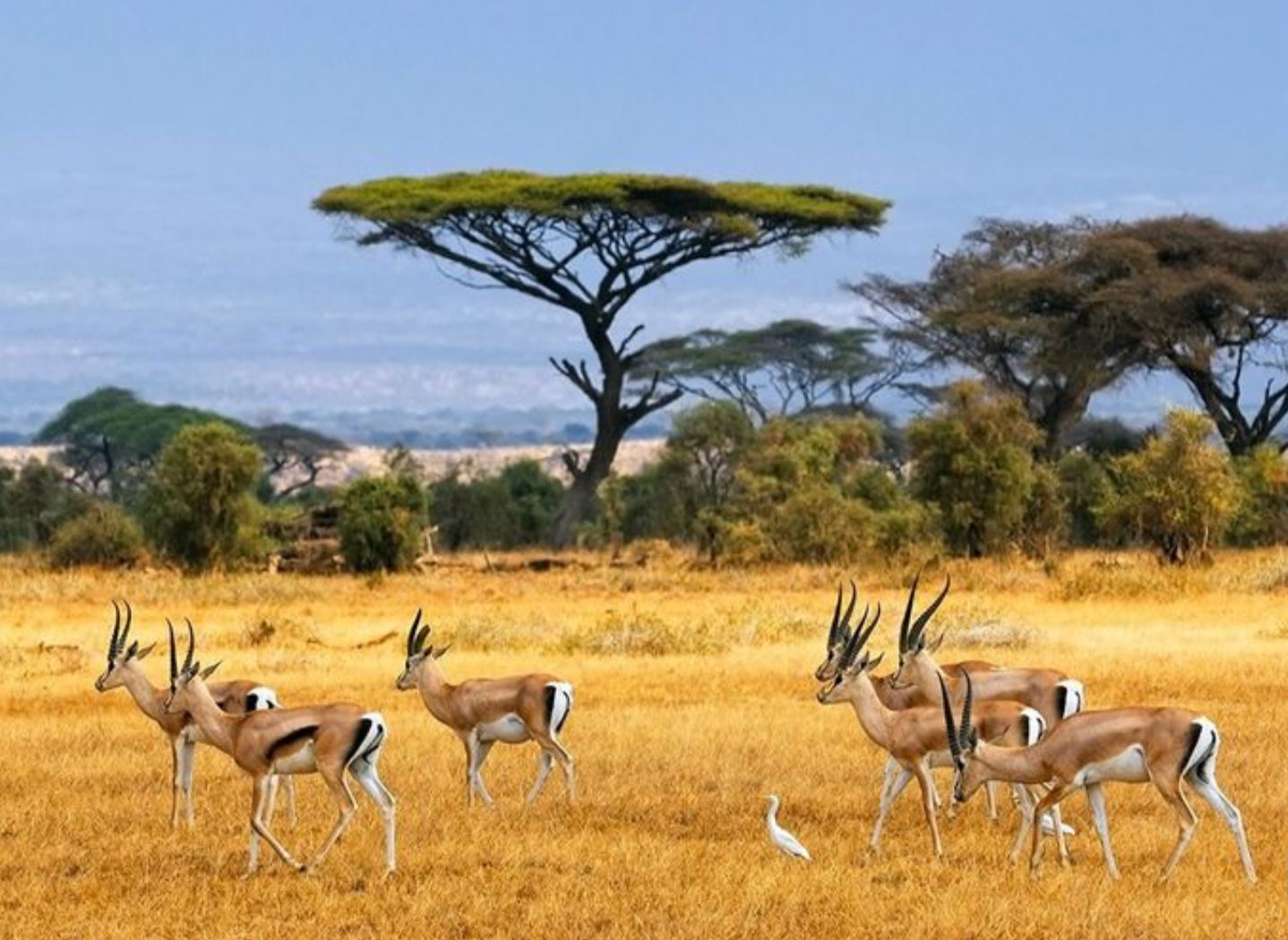
- Savanna is spread close to the equator and subequatorial areas.
- The average annual rainfall in this biome is around 300 - 500 mm.
- A prolonged dry season of approximately 8 - 9 months is prominent.
- The average temperature range is 24°C - 29°C. However in subequatorial areas seasonal variations may occur.
- Savannas are characterized by a landscape that supports scattered trees in a tall grass cover. During dry periods the dried grasses catch fire easily. Therefore grasses adapted to withstand drought, naturally grow in savannas. These grasses have a very good underground connectivity. The few herbs found among grass cover contain small leaves to reduce transpiration and thorns to be protected from herbivores.
- Seasonal rains encourage a fresh growth of grasses to compensate for the loss of biomass due to consumption by herbivores.
- Many insects (mainly termites), lions, zebras are the common animals in this region.
- Fires caused by human aid help to maintain the grass cover of this biome in one way but it may also have a negative impact by suppressing the growth of trees.
Desert
- Desert is a temperate or tropical biome, commonly occurring near 30° north and south latitudes (e.g.Sahara), and in the center of continents (e.g. Gobi desert in north central Asia).
- The distribution of this biome is determined by the non availability of water such as in areas with annual average rainfall is less than 3000 mm per year.
- The temperature varies seasonally and daily and exceeds 50°C in hot deserts while in cold deserts it drops below -30°C.
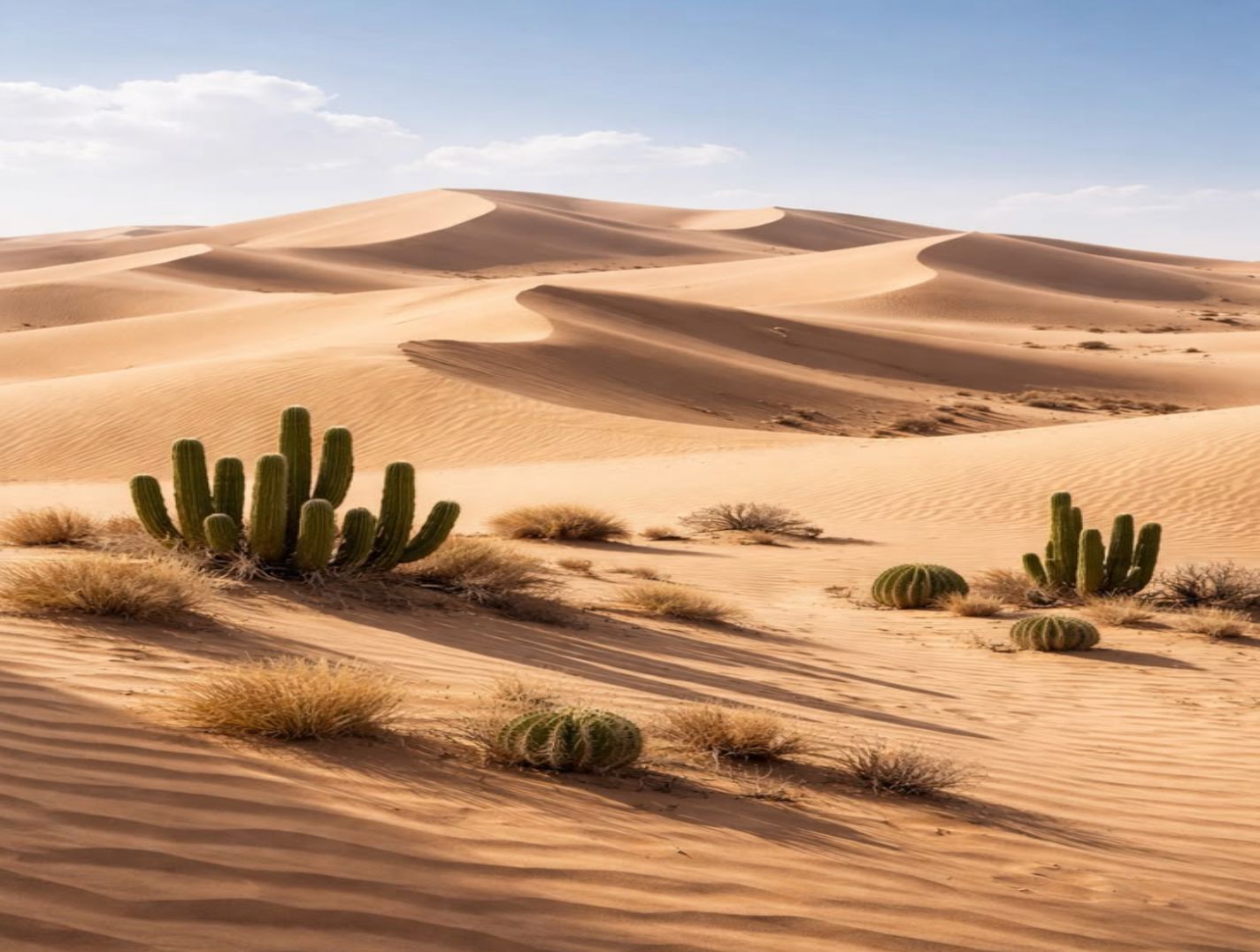
- Deserts have more bare lands. If the vegetation is found they are sparse and widely scattered.
- Desert plants have several adaptations to withstand the high temperature and scarcity of water.
- Succulent plant body (e.g. Cacti)
- Most plants have C4 pathway of photosynthesis
- Deep roots in shrubs
- Ability to tolerate heat and desiccation
- Reduced surface area of leaves
- Presence of spines / thorns
- Presence of toxins in leaves
- Nocturnal animal species are abundant in deserts.
- Water conservation is a prominent feature, with some species surviving solely on water obtained during the breaking down of carbohydrates in seeds. Animals include snakes, lizards, beetles, ants, scorpions, rodents and birds. Since these areas are converted into human settlements and agricultural lands, the natural biodiversity is reduced.
Chaparral
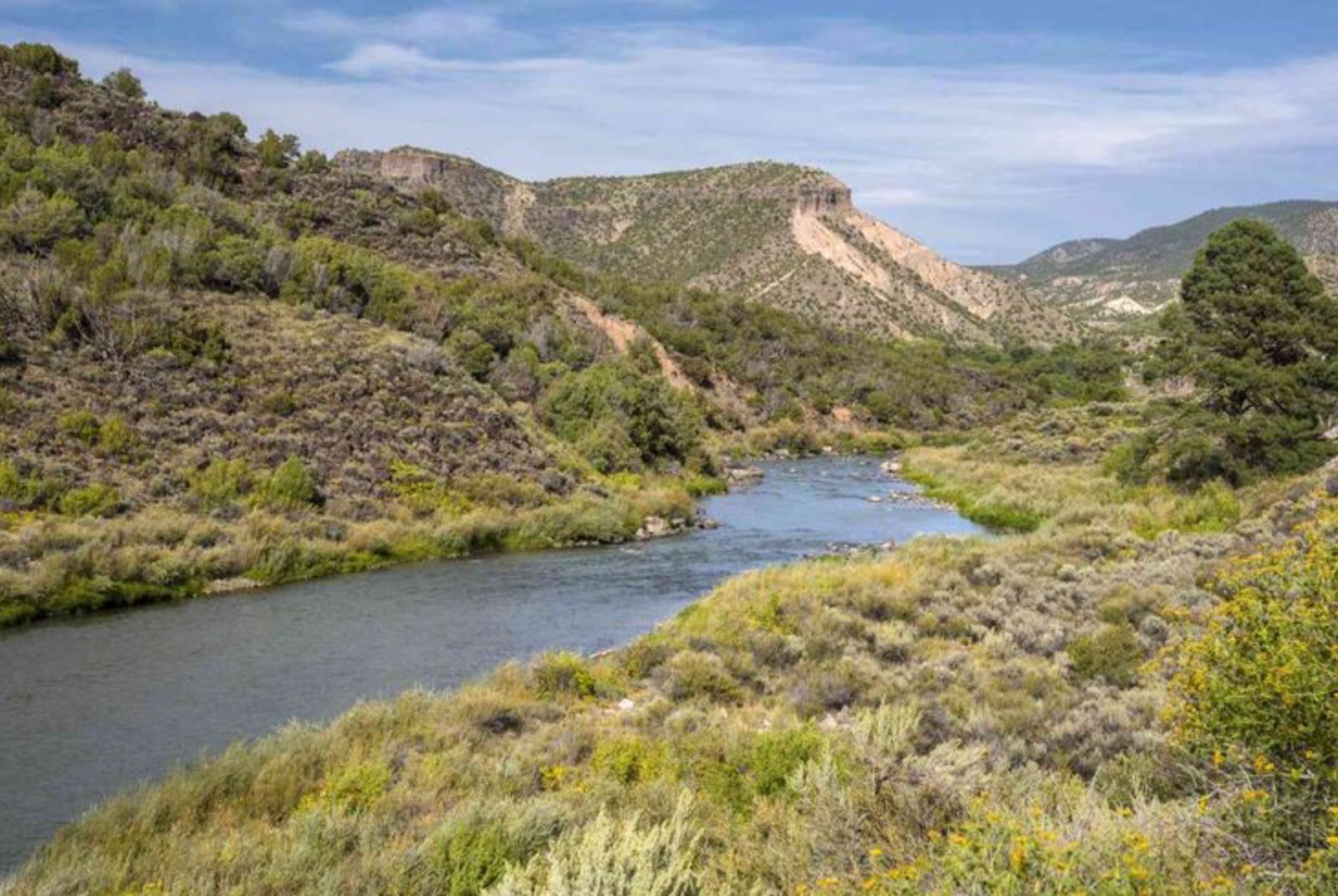
- Chaparral occurs in mid latitude coastal regions such as North America, Chile, Spain, Southern France and South Africa.
- Chaparral is best developed in Southern California.
- Chaparrals receive an average annual rainfall of 300 - 500 mm.
- They experience rainy winters and dry summers.
- The average temperature is between 10 to 12 °C but can reach up to 40°C. The Chaparral biome is typically composed of dwarf forests and shrubs, and interspersed herbaceous vegetation which include grasses and herbs. Chaparral is highly prone to events of catastrophic wildfire.
- Therefore plants show some of the following adaptations:
- Seed germination occurs only after a fire
- Fire resistant roots
- Uses of food stored in the fire resistant roots for resprouting after a fire
- Quick re-sprouting enables usage of nutrients released by the fire
- Tough evergreen leaves in woody plants to survive in droughts.
- Most of the native mammals in chaparrals are browsers.
- They include deers and goats. Chaparrals are rich in diversity of small mammals, and several species of amphibians, birds, reptiles and insects
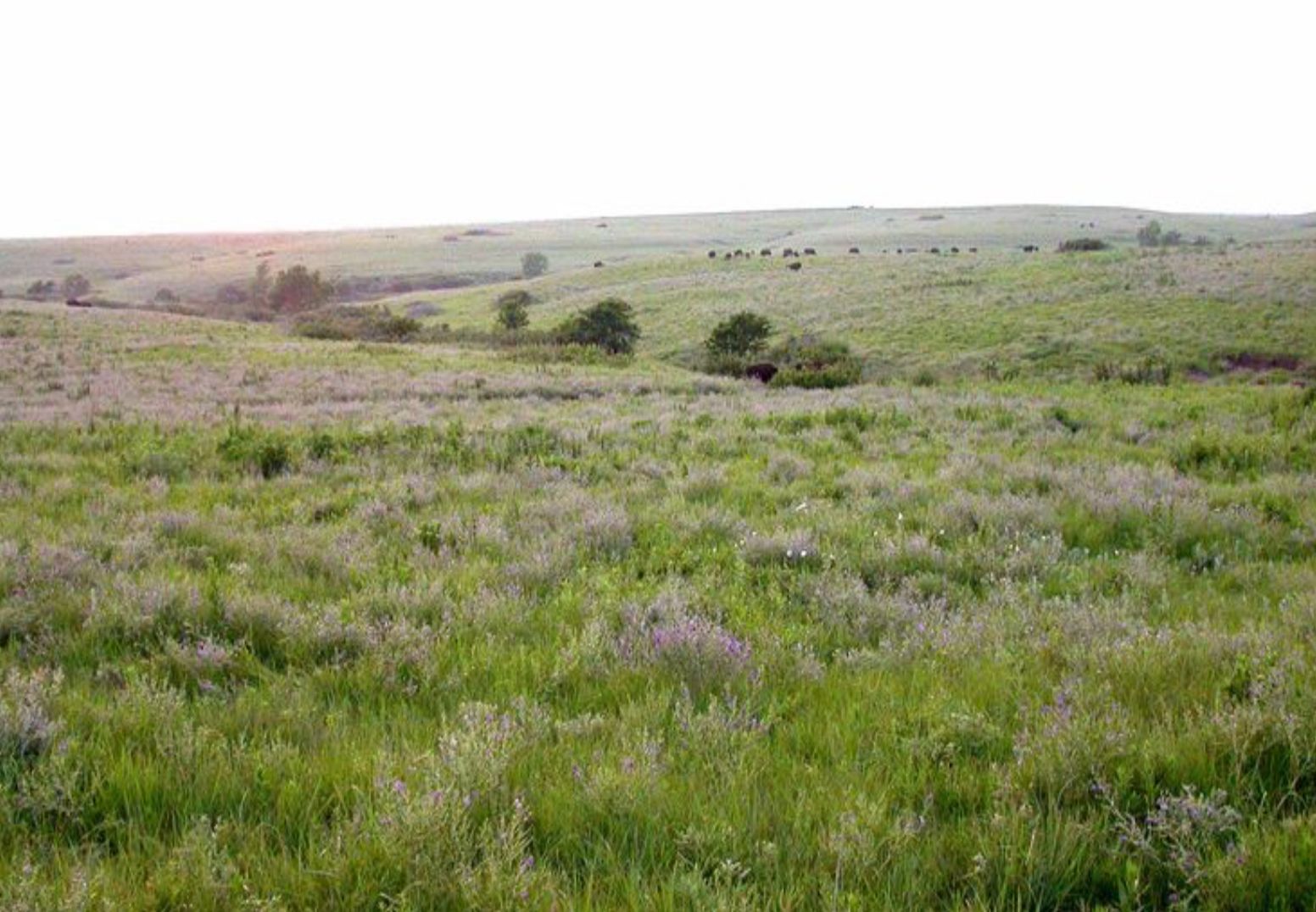
Temperate Grasslands
- These grasslands occur under temperate climatic regimes that are intermediate to those that support forest and desert.
- Grasslands in North America are called prairie (they are often called steppe in Eurasia and called pampas in Argentina).
- Precipitation is highly seasonal with periodic drought. These grasslands have relatively dry winters and wet summers.
- The average rainfall is 300 to 1000 mm per year. During winter seasons the average temperature falls below -10°C and in summer it is about 30°C. Grasses are the dominant plant species in these grasslands.
- The prairie is often divided into three types according to height of the dominant vegetation—tall-grass, mixed-grass, and short-grass.
- The height of grasses varies from a few centimeters to two meters in tall grass prairie. Fire and droughts have occurred in these grasslands but many plants growing in those areas have adaptations to cope with fire.
- Large grazers such as horses and many types of burrowing mammals (prairie dogs in North America) are found in these areas.
- The tall-grass prairie is now an endangered natural ecosystem, because it has been almost entirely converted to agriculture and farmlands.
Temperate Broadleaf Forest
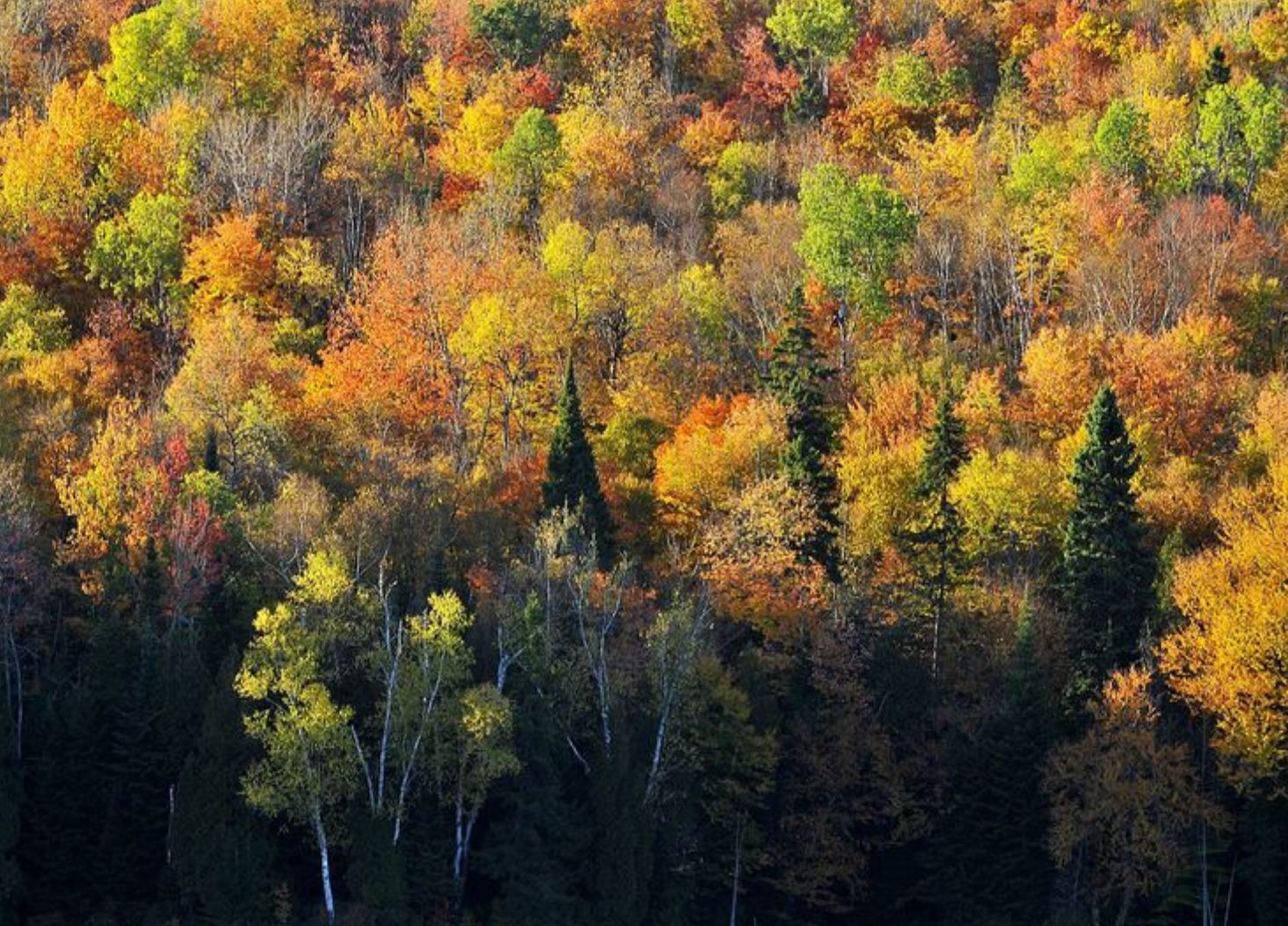
- Distribution of temperate broadleaf forests are at mid latitudes in the northern hemisphere.
- The average annual precipitation is between 700 to 2000 mm.
- A significant amount of precipitation is received throughout the year in summer as rain and in winter as snow. Average temperature during winter is zero while in summer it is up to 35°C.
- Summer is hot and humid and allows a favourable time to the growth of trees. The dominant trees are mostly deciduous.
- A vertical layering (stratifi cation) can be seen in temperate broadleaf forests. They are a closed canopy layer, one or two strata of understory trees, shrub layer and herb layer.
- There are only a few epiphytes that can be found. Many mammals can be seen and they hibernate during winter seasons while the bird species migrate to areas where climate is warmer.
Northern Coniferous Forest
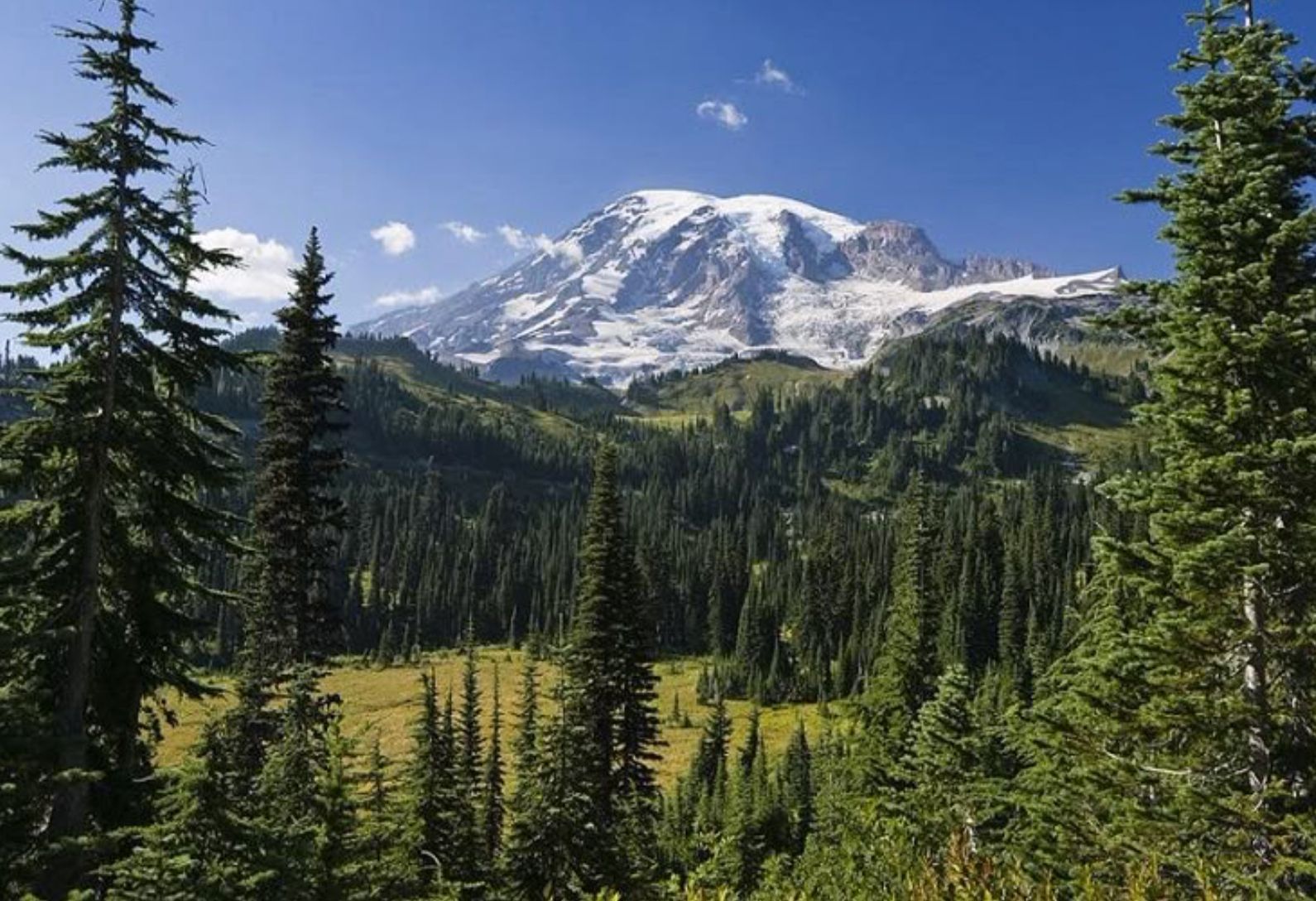
- The largest biome on earth is the northern coniferous forest. It is extended as a broad band from the upper band of the Arctic tundra.
- Precepitation: Annual average precipitation is around 300- 700 mm and a periodic drought is also common.
- The temperature is -500°C in winter and 20°C in summer.
- The northern forest is dominated by coniferous trees. e.g. Fir, Pine, and spruce are common tree species.
- Many conifers are conical in shape and this shape of trees prevents accumulation of snow, thus preventing the breaking down of branches.
- They have needle-like leaves that prevent high transpiration.
- The diversity of shrubs and herbs in these forests is less than that of temperate broad leaf forests because of the limitations in precipitation and warm temperature.
- Commonly found mammals are brown bears, moose, and Siberian tigers. During some period of time dominant plants can be killed by sudden attacks of insects.
Tundra
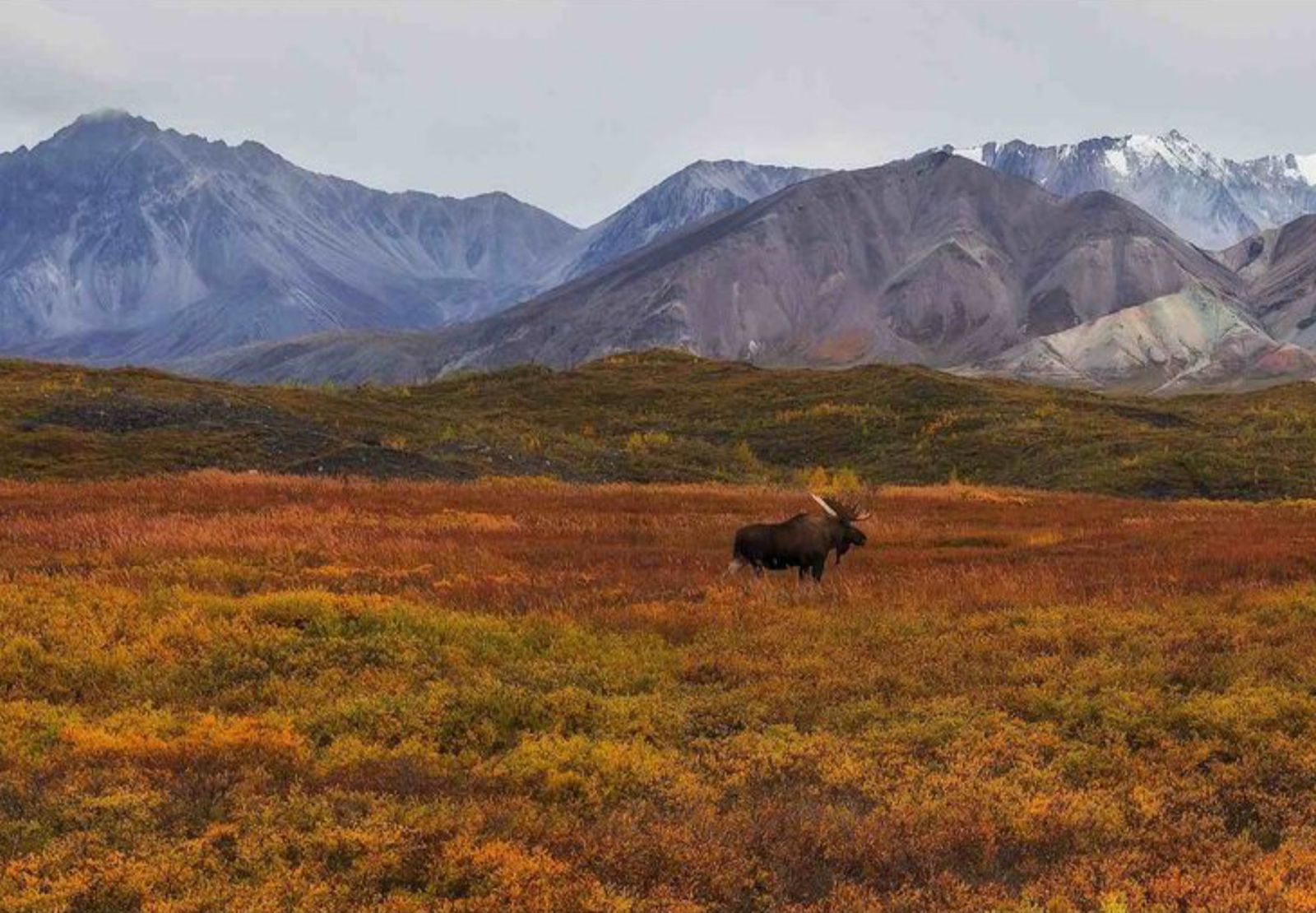
- This biome covers expansive areas of the arctic region, amounting 20% of earth's land surface.
- Alpine tundra occurs at high altitudes on mountains, while arctic tundra occurs at high latitudes.
- Most tundras receive very small inputs of water as precipitation, but nevertheless their soil may be moist or wet because there is little evaporation in such cold climates, and deep drainage may be prevented by frozen soil. The arctic tundra annually receives an average precipitation around 200 to 600 mm and the alpine tundra receives > 1000 mm precipitation respectively. During the winter time temperature falls below -30°CC and during the summer temperature it is always less than 100°C.
- This biome covers expansive areas of the arctic region, amounting 20% of earth's land surface. Alpine tundra occurs at high altitudes on mountains, while arctic tundra occurs at high latitudes.
- Most tundras receive very small inputs of water as precipitation, but nevertheless their soil may be moist or wet because there is little evaporation in such cold climates, and deep drainage may be prevented by frozen soil.
- The arctic tundra annually receives an average precipitation around 200 to 600 mm and the alpine tundra receives > 1000 mm precipitation respectively.
- During the winter time temperature falls below -30°CC and during the summer temperature it is always less than 100°C.
Written by Sarah Samarawickrama